Roofing work in Long Beach
Repairs and full replacements go through the same three questions. The difference is who ends up receiving the request.
Be first in line
We are lining up licensed providers near you. Leave your details and we will email you when one can take this on.
You are on the list.
No provider in Long Beach is taking requests through this service yet. We are lining them up, and yours is kept until one can.
- Nobody gets your details yet. Your request stays with us and is not passed to any company.
- One email when someone can help. When a provider covering your area can take it on, we email you once and ask whether you want that company, by name, to contact you.
- Deleted after 90 days. If nobody can take it on, or you do not say yes, your contact details are deleted 90 days after your request.
- You decide, or you do not. There is nothing to cancel and nothing to pay us.
Nobody will call you about this request unless you say yes to a company by name.
Roofing in Long Beach: the local picture
At roughly 6 miles from open water, salt is in the air on most days. There is space between houses, which helps access and hurts nothing except the total area to cover. Roughly 450,901 people, 150 square miles, and one county line: that is Long Beach.
What actually takes roofs out here is slow corrosion of the fixings, unhurried but certain. Far enough back that the covering wears out normally, close enough that the fixings do not. That mismatch is the local problem.
Behind it: morning fog that sits on the roof until mid-morning. Damp that arrives every morning and leaves by lunchtime is worse for a roof than rain, because nothing ever fully dries between one and the next.
That is the context every quote you get should reflect, and the reason a national price calculator will be wrong for your house.

Illustrative photographs of roofing work in general. Not photographs of jobs arranged through this site.
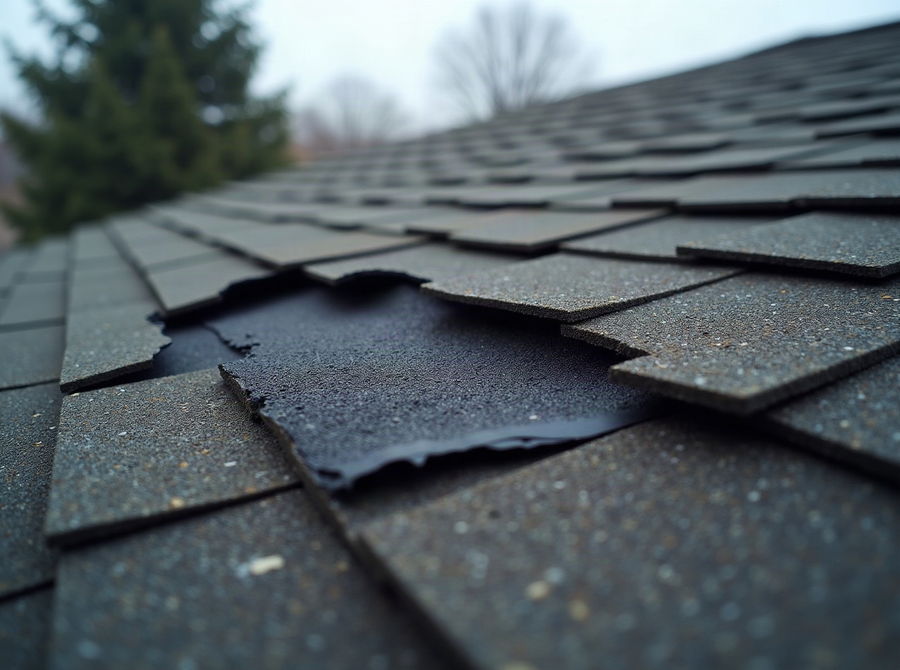
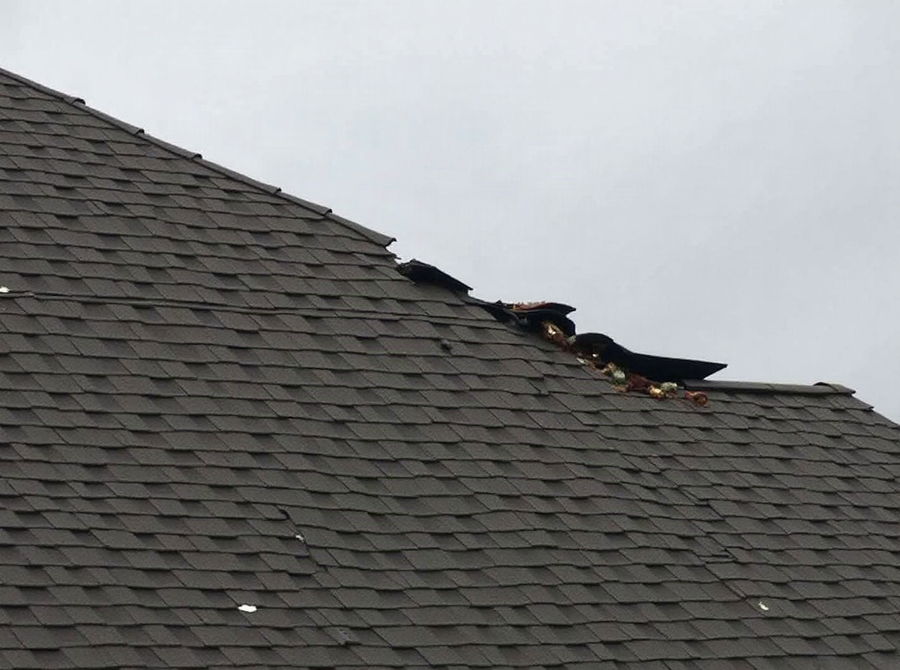
Illustrative photographs of roofing work in general. Not photographs of jobs arranged through this site.
Salt air and coastal corrosion
Far enough back that the covering wears out normally, close enough that the fixings do not. That mismatch is the local problem.
Marine layer damp and slow drying
Damp that arrives every morning and leaves by lunchtime is worse for a roof than rain, because nothing ever fully dries between one and the next.
Offshore wind events
These winds are not constant, which is the problem. A roof gets nine quiet months and then one night at fifty miles an hour, and whatever was marginal goes.